
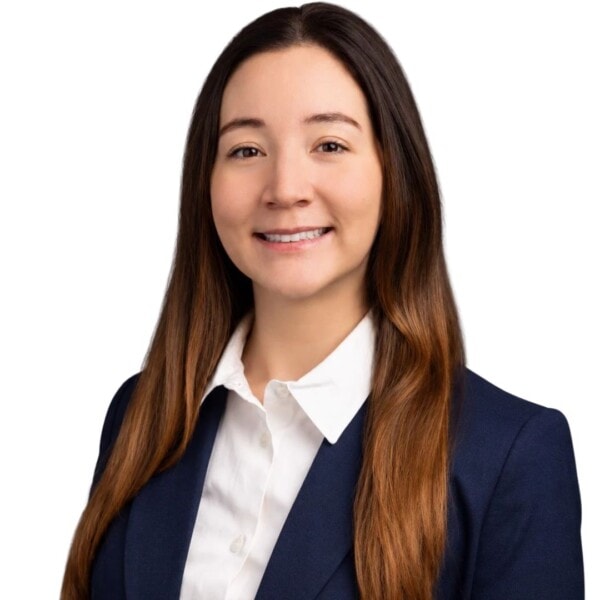
Member Spotlight
Modalis Analgesia & Anesthesia LLC
Q/A
Dr. Shayla Mena is an anesthesiologist and interventional pain physician with expertise in anesthesiology, perioperative medicine, interventional pain management, neuromodulation, multimodal analgesia, and Enhanced Recovery After Surgery (ERAS). Fascinated by the complexity of pain and how it affects overall quality of life, Dr. Mena built a career combining scientific knowledge, technical skill, and human connection to help patients and advance the field.
A NANS member since 2023, Dr. Mena is actively involved in the NANS Women in Neuromodulation (WIN) Committee, WIN Mentorship Mastermind Program, and NANS’ educational programs.
Areas of expertise:
Anesthesiology, Perioperative Medicine, Interventional Pain Management, Neuromodulation, Multimodal Analgesia, and Enhanced Recovery After Surgery (ERAS).
What sparked your interest in neuromodulation, and what do you enjoy most about the work you do?
My interest in neuromodulation grew during my training in anesthesiology and interventional pain medicine, where I became increasingly fascinated by the complexity of pain and the many ways it can affect a person’s quality of life. Neuromodulation offers a unique intersection of neuroscience, technology, and clinical medicine, with the potential to provide meaningful relief for patients living with chronic pain.
What I enjoy most about medicine is the opportunity to combine scientific knowledge, technical skills, and human connection to make a difference in patients’ lives. Whether providing anesthesia during surgery or helping patients navigate complex pain conditions, I find it rewarding to approach each patient as an individual, continue learning, and contribute to a field that is constantly evolving.
I am a member of NANS because:
What I value most about NANS is the opportunity to connect with colleagues who share a commitment to advancing neuromodulation and improving patient care. I particularly appreciate initiatives such as the Women in Neuromodulation Committee, which foster mentorship, collaboration, and a sense of community among women in our field.
Having experienced the isolation that can come with being a woman in medicine early in my training, I recognize the importance of creating opportunities for women to support one another, share their experiences, and grow professionally. I also value the opportunity to learn from colleagues at different stages of their careers and exchange ideas.
What is a fond memory from your early career or training?
Shortly before taking my anesthesiology board examination, I developed an episode of debilitating mid-back pain. Although I had experienced lumbago after a workout during medical school, this was on an entirely different level.
Naturally, as a pain medicine fellow, I began investigating my own condition. I remember taking fluoroscopic images of my thoracic and lumbar spine, showing them to my co-fellows, and enthusiastically theorizing about possible dysfunction of my spinal stabilizing muscles, particularly the multifidus and rotatores.
After listening to me, one of my co-fellows finally suggested, “Shayla, I think you might have fibromyalgia.”
Without missing a beat, I replied, “Not yet, John. Not yet.”
What early challenges in your career or training did you overcome and what did you learn from the experience?
During my medical training, I completed the majority of the writing for a scholarly manuscript, only to learn that a senior male physician had apparently been designated as first author from the beginning. This had never been clearly communicated to me, and I couldn’t help but wonder whether the situation would have unfolded differently had I been a male physician.
I sought guidance and support from two other authors, but ultimately, the authorship order remained unchanged. The experience taught me that advocating for myself would not always lead to the outcome I hoped for, but that speaking up was still important. It also reinforced my belief in the importance of transparency, fairness, and mentorship, particularly for trainees and early-career physicians navigating the hierarchies of academic medicine.
Words to live by or a favorite quote:
“Let yourself be silently drawn by the strange pull of what you really love. It will not lead you astray.”
-Rumi