

NANS 2027 Annual Meeting
Meet the 2027 Award & Grant Recipients
Congratulations to the clinicians, researchers, engineers, and emerging leaders whose work is advancing neuromodulation.
Principal Awards
Lifetime Achievement Award
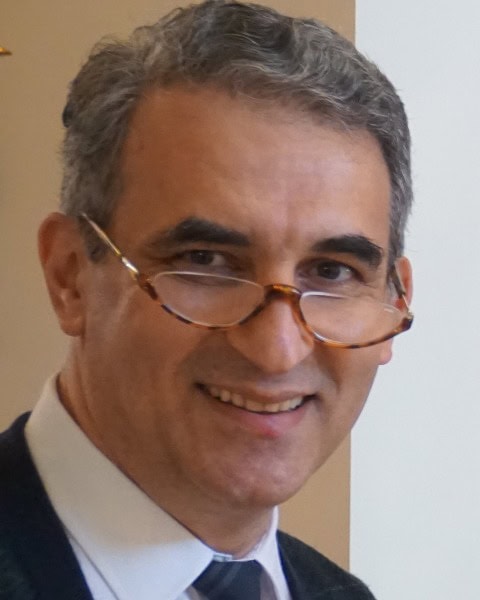
Konstantin Slavin, MD
Biography
Konstantin Slavin, MD, FAANS is Professor, Chief of Section and Fellowship Director for Stereotactic and Functional Neurosurgery in the Department of Neurosurgery at the University of Illinois at Chicago (UIC).
Dr. Slavin graduated from medical school in Baku, Azerbaijan in the Soviet Union and completed his neurosurgery residency in Moscow. He then completed his second neurosurgery residency at UIC and a fellowship in functional and stereotactic neurosurgery at Oregon Health Sciences University in Portland, OR. He is certified by the American Board of Neurological Surgeons.
Dr. Slavin is the current President of the International Neuromodulation Society (INS), Past President of the World Society for Stereotactic and Functional Neurosurgery (WSSFN, 2022-2024) and the American Society for Stereotactic and Functional Neurosurgery (ASSFN, 2014-2016). For many years, he was the member of Executive Committee of the Joint Section of Pain of the American Association of Neurological Surgeons and the Congress of Neurological Surgeons and continues to serve on the medical advisory board of both the Facial Pain Association and the Facial Pain Research Foundation. Over the years, he served as the Director-at-Large (2008-2011 and 2013-2017), the Secretary (2011-2013) and the Senior Advisor to the Board (2017-2019) of the North American Neuromodulation Society and as the chair of its Education Committee.
Dr. Slavin is published in many books and peer-reviewed journals and is an associate editor or editorial board member for a number of publications, including Neuromodulation, Neurosurgery, Brain Sciences, Stereotactic and Functional Neurosurgery, Acta Neurochirurgica and others; he is the current editor-in-chief of Progress in Neurological Surgery. His first book “Peripheral Nerve Stimulation” was published in 2011; another book, co-edited with Sam Eljamel on “Neurostimulation: Practice and Principles,” came out in 2013; the third one, “Stimulation of Peripheral Nervous System: The Neuromodulation Frontier” was released in 2015. The most recent book, “Neuromodulation for Facial Pain,” came out in 2021.
Dr. Slavin is a proud recipient of the 2026 Spiegel-Wycis Award, the highest honor in the field of stereotactic and functional neurosurgery, and Lifetime Achievement awards from the American Society of Interventional Pain Physicians, the Kansas SIPP, and the New York/New Jersey Pain Congress. Among many national and international honors, he is proud to have been named the Fellow of the London Pain Forum, Honorary Professor of the Burdenko Neurosurgical Institute in Moscow, and recognized as a presenter of the Loeser, Kanpolat, Raj-Racz, Zazanis and Tasker lectures.
Distinguished Service Award
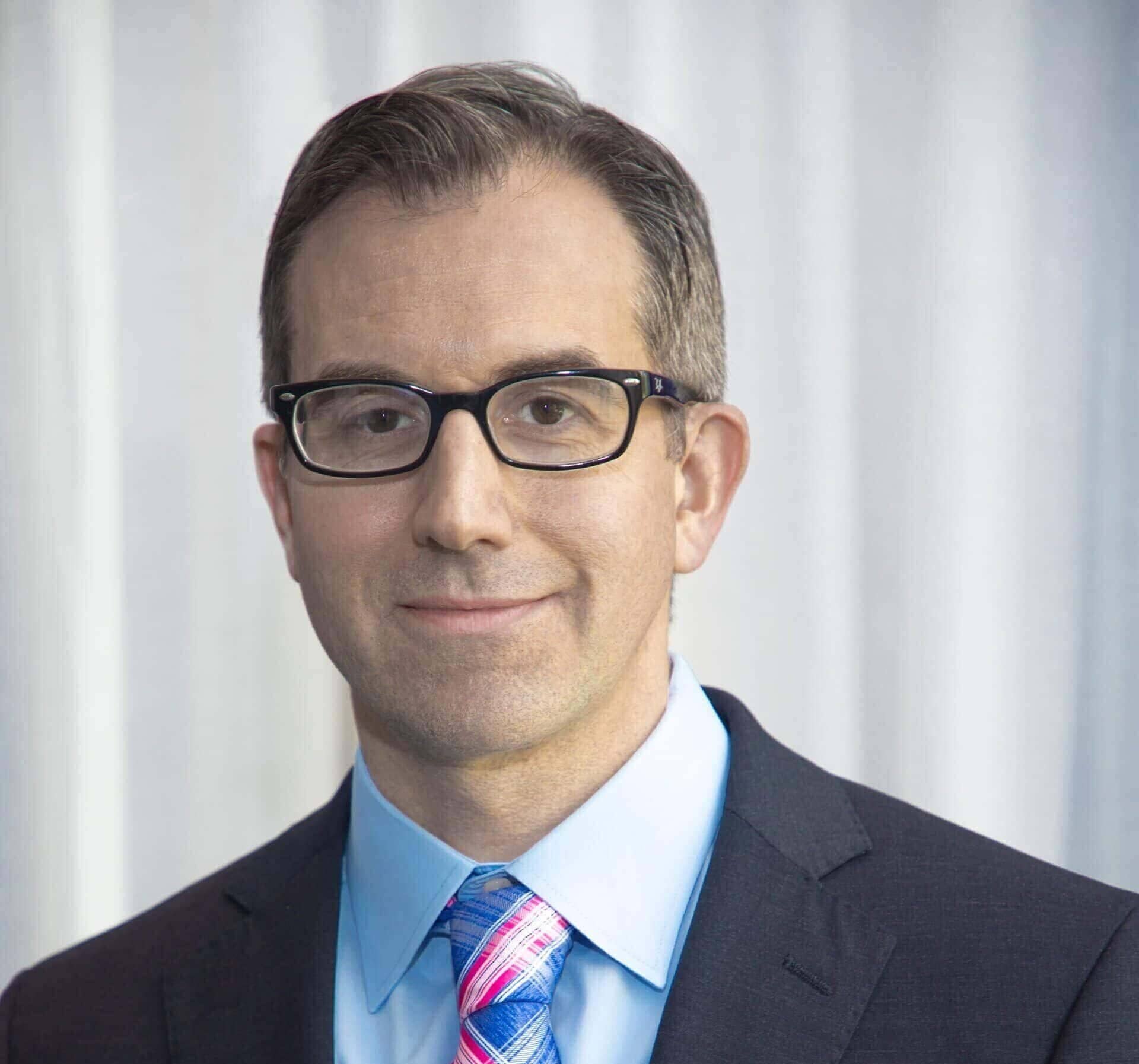
David Provenzano, MD
Biography
Dr. David Provenzano is President of Pain Diagnostics and Interventional Care, where he leads a team focused on innovative, evidence-based pain management. He serves on the Executive Committee of the Medical Staff at Western PA Surgery Center and the Quality Assurance Committees for Heritage Valley Healthcare Network CIN/ACO.
Dr. Provenzano earned his undergraduate degree from Colgate University, where he was inducted into Phi Beta Kappa, and his medical degree from the University of Rochester School of Medicine and Dentistry. He completed a surgical internship at Thomas Jefferson University Hospital, an anesthesiology residency at The Western Pennsylvania Hospital, and a pain management fellowship at Dartmouth Hitchcock Medical Center.
Dr. Provenzano’s academic and clinical honors include the North American Neuromodulation Society’s 2024 Presidential Award and 2027 Distinguished Service Award, along with the 2023 ESRA-Spain Distinguished Service Award. He has published more than 100 scientific articles and has served as principal investigator on numerous research studies. His research focuses on neuromodulation, radiofrequency lesioning, ultrasound, and healthcare safety and has received Best of Meeting Awards at national and international conferences, including ASRA Pain Medicine, the Networking World Anesthesia Convention, and ESRA-Spain.
Dr. Provenzano has authored major guidelines on infection control for pain procedures, radiofrequency ablation, corticosteroid use, spinal stenosis interventions, and spinal cord stimulation. He frequently lectures at national and international meetings on acute and chronic pain management. He is an Adjunct Associate Professor in the Pain Medicine Fellowship in the Department of Anesthesiology at the University of Pittsburgh Medical Center and in the Department of Anesthesiology at West Virginia University School of Medicine. He also serves as an Adjunct Clinical Instructor in Duquesne University’s Physician Assistant program at the Rangos School of Health Sciences and as a member-at-large of the International Pain and Spine Society. Dr. Provenzano is ASRA Pain Medicine’s immediate past president and representative in the AMA House of Delegates, as well as a Member at Large for the International Pain and Spine Intervention Society. He co-chairs the North American Neuromodulation Society’s Advocacy and Policy Committee and serves on several scientific journal editorial boards.
Named Legacy Awards
Kumar New Investigator Award
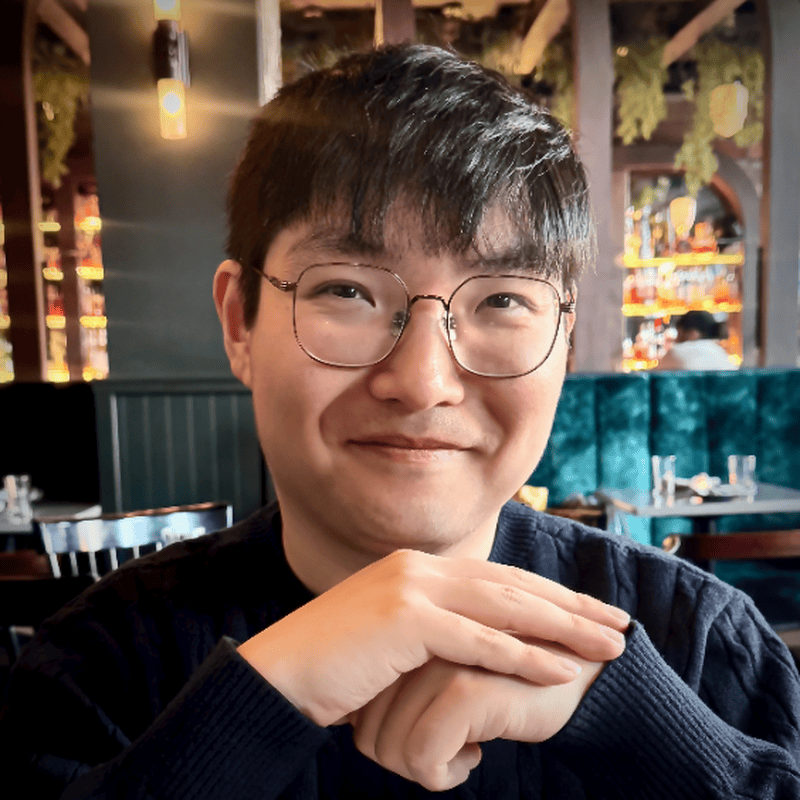
Hyunwoo Jang, PhD
“Role of thalamus in human conscious perception revealed by low-intensity
focused ultrasound neuromodulation”
Biography
Dr. Hyunwoo Jang studies how the brain supports conscious experience and how consciousness can be measured and restored. He is a postdoctoral research fellow at the Center for Consciousness Science in the Department of Anesthesiology at the University of Michigan. He completed his doctoral training in neuroscience at Michigan from 2022 to 2026 after studying bio and brain engineering at KAIST. His doctoral research led to two first-author papers in Nature Communications. He used low-intensity focused ultrasound to investigate the thalamus’s role in conscious perception. He also developed a brain network measure that tracks the balance between integration and segregation during propofol anesthesia and natural sleep. His current work aims to translate these approaches into clinical applications for patients with disorders of consciousness. Beyond his research, he founded the Korea Association for Consciousness Sciences and has translated five books on consciousness into Korean.
Lisa Stearns Award for Innovation & Leadership in Cancer Pain

Stephanie Vanterpool, MD, MBA, FASA
Biography
Dr. Stephanie G. Vanterpool is Medical Director of the University Center for Pain Management and Associate Professor of Anesthesiology at the University of Tennessee Health Science Center College of Medicine – Knoxville. She is board-certified in Anesthesiology and Pain Medicine and a Fellow of the American Society of Anesthesiologists.
Dr. Vanterpool earned her MD and MBA from Duke University and completed residency and fellowship training at UNC Chapel Hill and Wake Forest University. She is currently pursuing an MPH in Health Policy and Management at the University of Tennessee.
A clinician, researcher, educator, and advocate, Dr. Vanterpool is the founder of Targeted Pain Treatment™, an approach focused on identifying and treating the underlying mechanisms of pain to improve function. Her work has expanded from clinical practice and education to the nationally distributed PBS documentary Targeted Pain Treatment: Hope for Patients with Pain. She has held leadership roles in multiple professional organizations and serves on the Tennessee Opioid Abatement Council. A native of the British Virgin Islands, she also provides specialized pain management services there.
Recognition Awards
APP Excellence Award
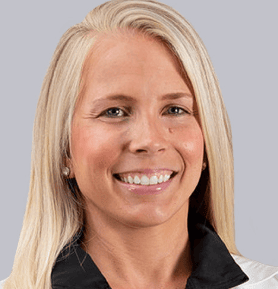
Kristen Durkin, RN, AGNP-C
Biography
Kristen Durkin, RN AGNP-C is the lead nurse practitioner at the NY Spine & Pain Specialists in Port Jefferson, NY. Here she treats patients with various pain conditions, providing the most cutting-edge and minimally invasive therapies. Kristen earned her Bachelor of Science in Nursing from Adelphi University in Garden City, New York. She then went on to earn her Master of Nursing from Stony Brook University, with a certificate in Adult Gerontology. Prior to obtaining her Nurse Practitioner degree, Kristen was an RN and later an NP in the surgical critical care and trauma unit at Stony Brook Hospital for ten years. Currently, she is part of various societies including the NANS APP Committee, ASPN, Business of Pain, as well as is an APP course director for the NYNJSIPP Congress. Kristen provides presentations and training on pain management, patient identification, and various interventional procedures. She loves educating, writing, and networking with other advanced practice providers around the country.
Distinguished Achievement in Science & Technology Award
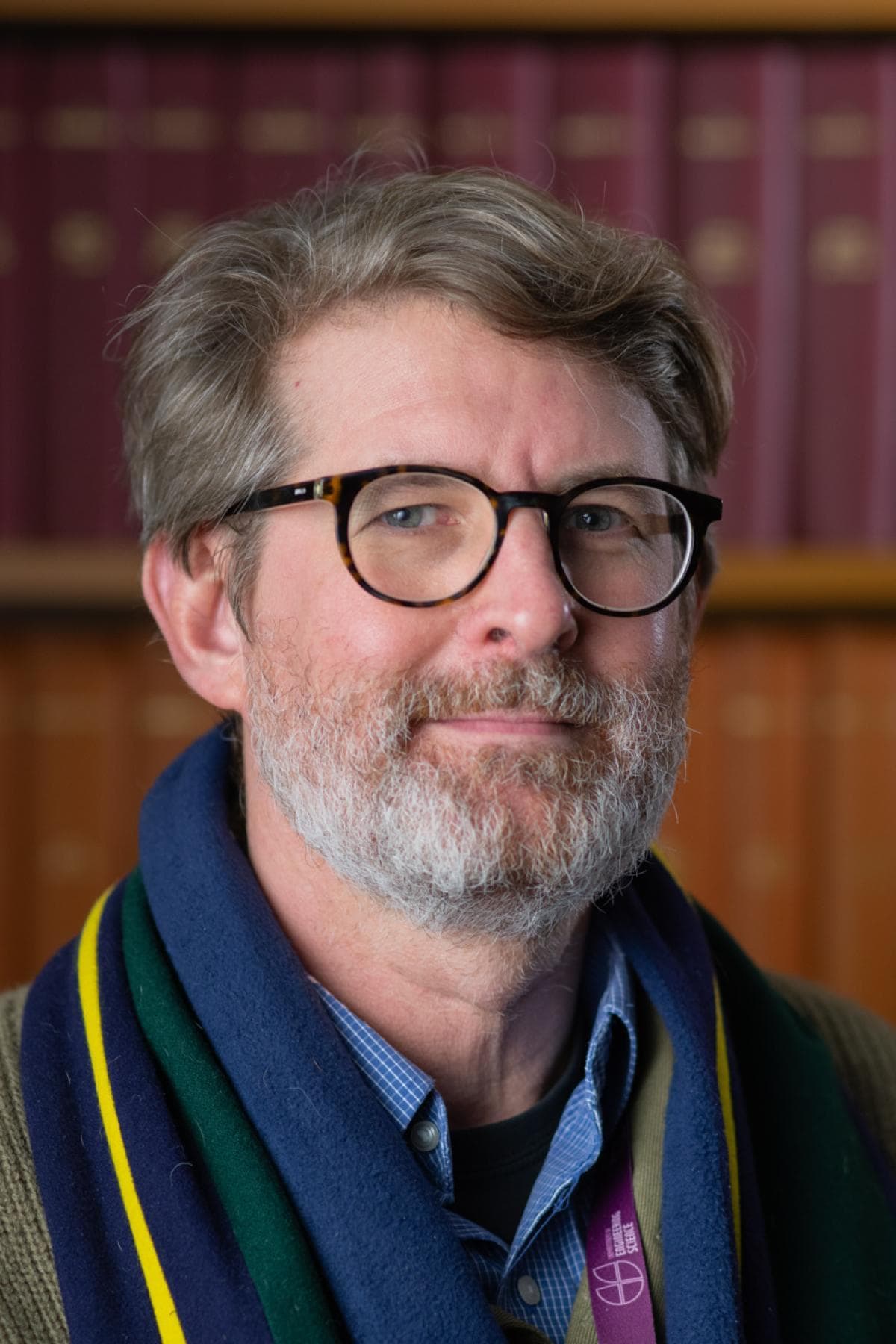
Tim Denison, PhD, FREng
Biography
Professor Tim Denison holds a Royal Academy of Engineering Chair in Emerging Technologies. At Oxford, he explores the fundamentals of physiologic closed-loop systems. Prior to Oxford, Tim was the Vice President of Research & Core Technology for the Restorative Therapies Group of Medtronic, where he helped oversee the design of next generation neural interface and algorithm technologies for the treatment of neurological disorders.
In 2012, Tim was awarded membership to the Bakken Society, Medtronic’s highest scientific honour, and in 2014 he was awarded the Wallin leadership award (only the second person in Medtronic history to receive both awards). In 2015, he was made a Fellow of the American Institute of Medical and Biological Engineering. Prof Denison moved to the UK in 2018 after receipt of a Royal Academy of Engineering Chair in Emerging Technologies to pursue work on “brain engineering.” In 2024, he was named a Fellow of the Royal Academy of Engineering for the development of research systems; these investigational systems are used actively for clinical neuroscience and prototyping new treatments for neurological disorders. Tim is also a co-founder and chief engineer for Amber Therapeutics, https://www.amber-tx.com/, which is applying one of these research tools for mixed urinary incontinence, and supporting a number of academic studies investigating diseases in the central and peripheral nervous system (https://www.amber-tx.com/research). He has over one hundred issued US patents in fields ranging from nanopore gene sequencing to automotive airbag sensors to brain-computer-interfaces.
Tim received an A.B. in Physics from The University of Chicago, and an M.S. and Ph.D. in Electrical Engineering from MIT. Recently, he completed his MBA as a Wallman Scholar at Booth, The University of Chicago.
Innovator Award
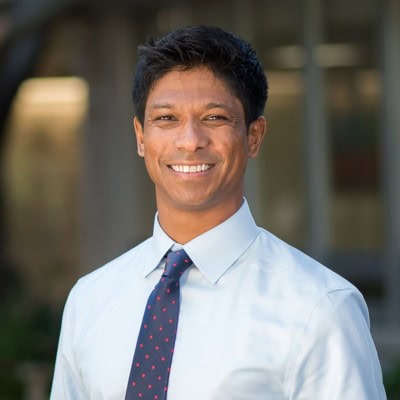
Prasad Shirvalkar, MD, PhD
Biography
Dr. Prasad Shirvalkar is a neurologist and pain medicine specialist at the University of California, San Francisco who directs the Pain Neuromodulation Laboratory in the department of neurological surgery. The overall goal of his research program is to determine how the subjective experience of chronic pain is processed in the human brain and spine towards developing neurostimulation technology to improve quality of life for patients. His lab recently discovered the first direct brain biomarkers to track chronic pain severity; they are using these insights to develop personalized, closed-loop brain stimulation therapies to treat severe pain disorders in patients. His lab recently reported a small pilot trial involving six patients that demonstrated the feasibility of closed-loop DBS for chronic pain at personalized targets. Prasad earned his doctoral and medical degrees at Icahn School of Medicine at Mount Sinai and completed a residency in neurology at Weill Cornell Medicine and Memorial Sloan Kettering Cancer Center, where he served as chief resident. He completed a fellowship in pain management at UCSF.
Rising Star Resident Award
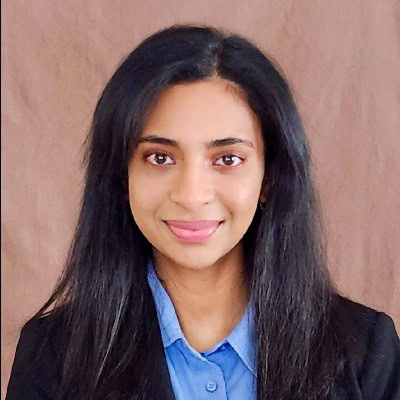
Swathi Rayasam, MD
Biography
Swathi Rayasam, MD is a fourth-year anesthesiology resident and Chief Resident at UT Southwestern Medical Center in Dallas, TX. She received her bachelor’s degree in Kinesiology from Rice University in 2019 and her MD from UT Southwestern Medical Center in 2023. She will be pursuing an Interventional Pain Fellowship at the Brigham and Women’s Pain Fellowship Program in Boston, MA next year.
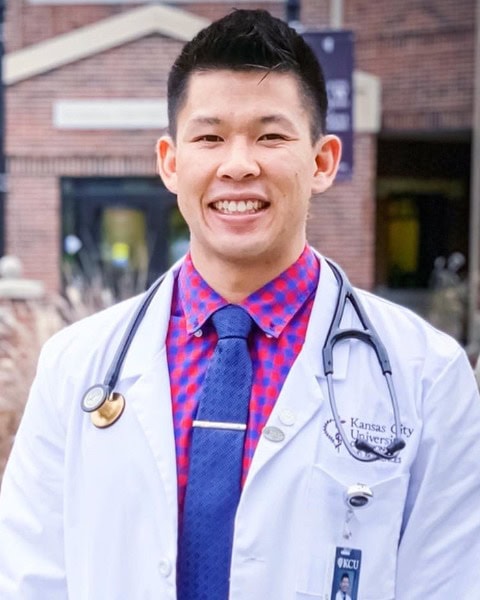
Daniel Wang, DO
Biography
Daniel Wang is a final-year resident physician in Physical Medicine and Rehabilitation at the University of Miami Miller School of Medicine and Jackson Health System. In July 2027 he begins fellowship training in Interventional Pain Medicine at Mayo Clinic.
Dr. Wang came to neuromodulation from engineering. He earned a Bachelor of Science in Bioengineering from the University of Maryland and his Doctor of Osteopathic Medicine from Kansas City University.
He has led education for the NANS Resident and Fellow Section since 2024, directing a team of six trainees. Together they have produced a career roadmap in pain medicine, podcast and infographic material, and a “Neuromodulation 101” primer for newcomers. He proposed a scalable video series, and the NANS Board approved its pilot episode on spinal cord stimulation. He serves as its primary subject matter expert. He contributes to the RFS Research Committee and has presented three paper posters at NANS Annual Meetings.
Some of his research addresses neuromodulation device safety and practice patterns. With Mayo Clinic’s pain research team, he designed and led a national survey of ultrasound use in peripheral nerve stimulation. The abstract placed in the top three at the World Academy of Pain Medicine United annual conference, where he delivered it as a podium presentation. He has co-authored FDA MAUDE analyses of dorsal root ganglion stimulation and restorative neurostimulation. He contributed two chapters on intrathecal drug delivery to Deer and Pope’s A Modern Atlas for Implantable Devices of the Spine, Brain, and Nerve. He serves as an Early Career Researcher on the editorial board of Pain Management.
Dr. Wang helps direct his department’s Residency Interventional Spine Course, which he built with departmental faculty and co-residents. It has trained 24 residents in fluoroscopically guided procedures. He intends to practice, study, and teach implantable therapies.
Rising Star Fellow Award
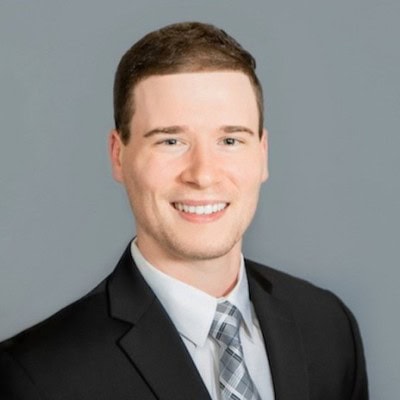
David Gallacher, MD, MBA
Biography
David M. Gallacher, MD, MBA, is a physiatrist and interventional pain medicine physician at Harvard Medical School and Brigham and Women’s Hospital whose research focuses on neuromodulation, regenerative medicine, and healthcare economics. He combines clinical practice with a Johns Hopkins MBA and business leadership in medical education as a consultant and medical content producer. A 2026 NANS Rising Star Award recipient, Dr. Gallacher co-chairs the Society’s Residents, Fellows, and Students Committee and also serves in leadership roles on the finance, innovation, and research committees of other national societies.

Ashlyn Brown, MD, MBA, MS, PMP, LSSGB
Biography
Ashlyn Victoria Brown, MD, MBA, MS is a Pain Medicine fellow at Washington University in St. Louis and a graduate of Baylor College of Medicine’s PM&R residency program. An emerging leader in pain medicine and neuromodulation, she is recognized for her commitment to innovation, scholarship, mentorship, and advancing physician leadership.
Dr. Brown serves on the NANS Advocacy and Diversity and Outreach Committees and was selected for the inaugural WIN Mentorship Program. She is also DEI Co-Chair of ASRA’s Resident and Fellow Committee. Through leadership roles within AAPM and WIPM, she has championed initiatives expanding trainee engagement, mentorship, and professional development, including spearheading the revitalization of AAPM’s Resident Ambassador Program.
Her contributions have earned numerous distinctions, including an AAPM Presidential Commendation, the ISPN Young Innovator Trailblazer Award, and competitive grants and scholarships from NANS, ASIPP, and the Texas Pain Society. She has presented at national conferences and serves as lead author of a chapter in the NANS Digital Textbook.
Drawing on her multidisciplinary background in medicine, kinesiology, and business, Dr. Brown is passionate about advancing neuromodulation through clinical innovation, research, advocacy, and empowering the next generation of physician leaders.
Rising Star Early Career Award
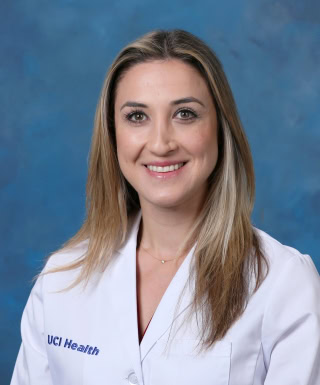
Alexa Lean, MD
Biography
Dr. Alexa Lean is an Assistant Professor in the Department of Anesthesiology and Pain Medicine at the University of California, Irvine (UCI), where she specializes in interventional pain medicine and neuromodulation. Since joining the faculty in 2023, she has established herself as a clinician, educator, and emerging leader dedicated to advancing the treatment of complex chronic pain through procedural innovation, evidence-based practice, and multidisciplinary collaboration. Dr. Lean has developed and expanded advanced neuromodulation and surgical pain interventions at UCI, helping establish new clinical capabilities and substantially increasing access to advanced procedural care. She has developed a comprehensive surgical neuromodulation curriculum and a fellow-level surgical skills lecture series to strengthen procedural training and promote the next generation of interventional pain physicians. Her academic work also includes scholarly publications, research mentorship, and collaborative projects focused on advancing pain care. Her clinical practice emphasizes individualized treatment strategies for patients with complex pain conditions, including thoughtful patient selection and optimization of neuromodulation therapies to improve outcomes and long-term treatment durability. Her academic interests center on improving neuromodulation outcomes through innovative, physician-directed approaches to spinal cord stimulation programming and therapy optimization. She is particularly interested in understanding how stimulation parameters and individualized programming strategies influence treatment efficacy and durability, with the broader goal of improving access to effective neuromodulation for patients with complex pain and historically underserved populations. Dr. Lean’s professional service includes engagement in national pain medicine organizations, including the North American Neuromodulation Society, and contributions to the broader advancement of the specialty through education, research, and clinical innovation. Her career reflects a commitment to integrating technical excellence with compassionate, patient-centered care. As an emerging leader in neuromodulation, she aims to advance personalized treatment strategies, strengthen physician expertise in neuromodulation, and improve meaningful long-term outcomes for patients living with chronic pain.
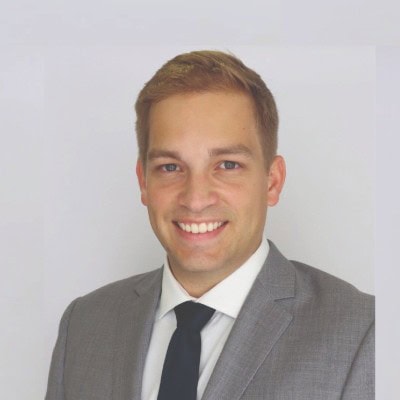
Matthew Baker, PhD
Biography
Matthew Baker is postdoctoral research fellow in the Cybernetics and Motor Physiology Laboratory led by Dr. Kai Miller at Mayo Clinic. His research focuses on understanding human brain circuits through intracranial electrophysiology and translating these insights into new approaches for neuromodulation and neural interfaces. His work combines human neurophysiology, signal processing, computational methods, and device development to improve functional brain mapping and develop patient-specific approaches to deep brain stimulation. Dr. Baker has contributed to the development of novel stimulation paradigms, neural sensing technologies, and computational tools for characterizing human brain function, with an emphasis on translating these technologies toward clinical application. He holds a Ph.D. from Mayo Clinic Graduate School of Biomedical Sciences, a master’s degree from the University of Nebraska at Omaha, and a bachelor’s degree from Gustavus Adolphus College.
Next Generation Grants
Diversity and Outreach Committee (DOC) Pipeline Fellowship Grants
Julieth Gomez, MS, PhD Candidate
Mukosolu Ndubisi, MD, MS
Nareka Trewick, MD
Crystal Joseph, MD, MS
Rajanikant Panda, PhD
Early Career Travel Fellowship Grants
Matthew Baker, PhD
Christopher Chiodo Ortiz, MD
Agam Jagota, DO
Paul Mgbam, MD
Soumya Ray, BS
Prabandh Reddy Buchhanolla, MBBS, MD
Mark Hocevar, MD, MPH
Cedric Levi, PhD Candidate
Emilie Page, MD
C. Price Withers, MD, PhD Candidate