
- Neural Engineering
Advanced Engineering Principles in Neuromodulation: Next-generation SCS and DBS Technologies
Details
- Date
- Thursday, January 21, 2027
- Time
- 7:00 AM – 5:00 PM
- Room
- Milano Ballroom VII & VIII
- Session type
- Pre-Conference Session
- Schedule
- See this day
About
This course provides a deep dive into the advanced engineering behind next-generation spinal cord stimulation (SCS) and deep brain stimulation (DBS) technologies. The morning session spotlights academic leaders sharing foundational concepts critical to innovation in neuromodulation, covering topics such as implantable pulse generator design, electrode technology, novel stimulation paradigms, neural sensing, clinical testing strategies, and the integration of artificial intelligence. During the afternoon, you'll gain insider perspectives from engineers at top companies, as they present cutting-edge technologies recently launched or in active development. This unique structure bridges theory and application, empowering attendees with unparalleled insight into both the scientific fundamentals and real-world breakthroughs propelling neuromodulation forward. Each session features a dedicated faculty Q&A, offering direct engagement with experts. The course is tailored for a broad audience: neural engineers, clinicians, industry professionals, and researchers invested in advancing neuromodulation therapies. Attendees will explore the intricate engineering challenges of modern devices, discover emerging solutions and technologies, and understand how academic and industry innovators are shaping the future of patient care. Focused on the most relevant technological advancements and ongoing innovations, this course delivers practical knowledge that can immediately inform clinical decision-making, inspire new research directions, and support technology development in neuromodulation.
Learning objectives
- Analyze the engineering principles that inform the design and development of advanced implantable pulse generators, electrodes, and stimulation paradigms in contemporary neuromodulation systems.
- Evaluate methodologies for implementing neural sensing, closed-loop control, and artificial intelligence in spinal cord and deep brain stimulation technologies, and explain their influence on clinical outcomes.
- Compare and assess emerging neuromodulation technologies introduced by industry leaders, and determine their potential to address unmet clinical needs in patient care.
Faculty
-
-
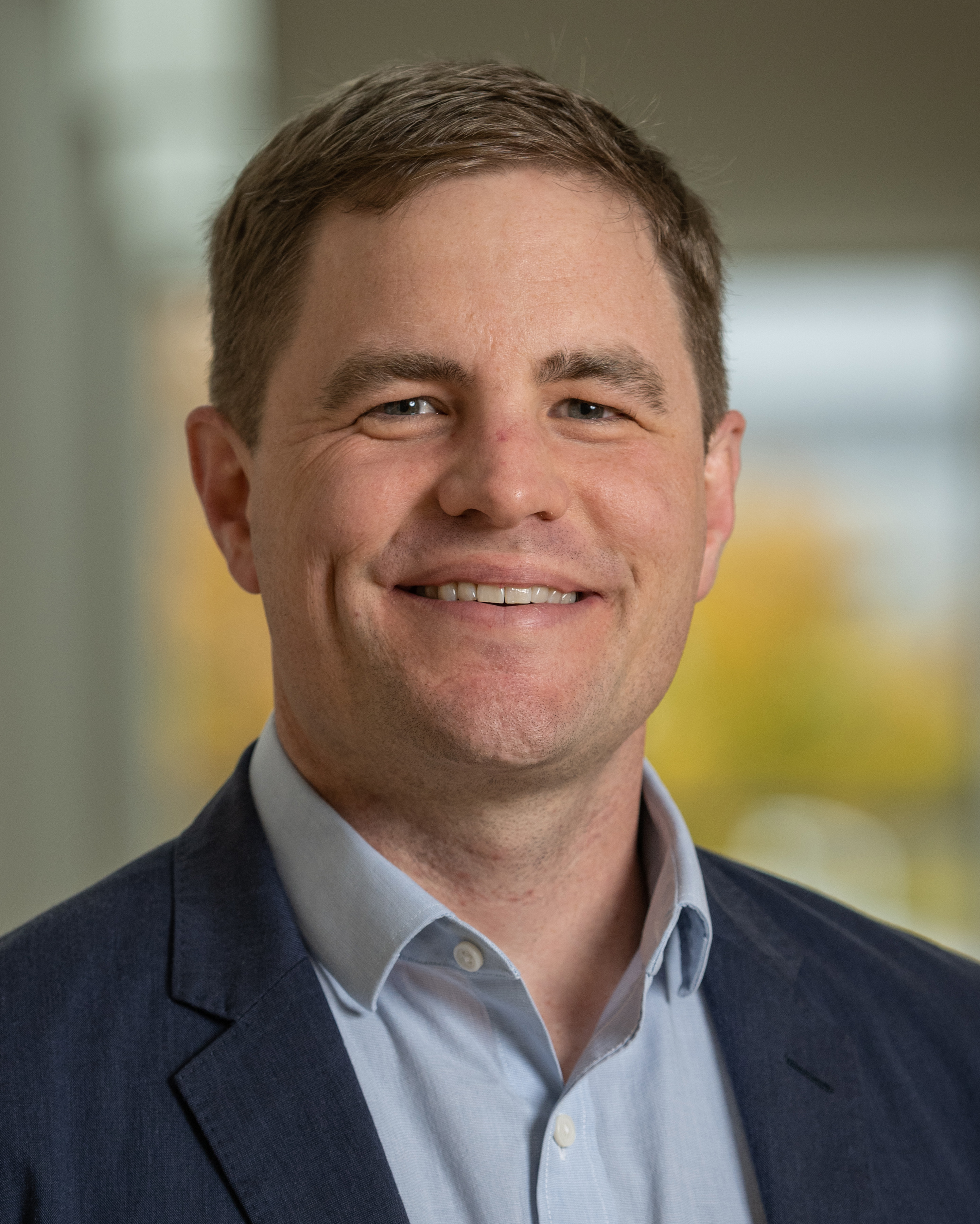
Marom Bikson, Professor
CCNY · New York, New York
-
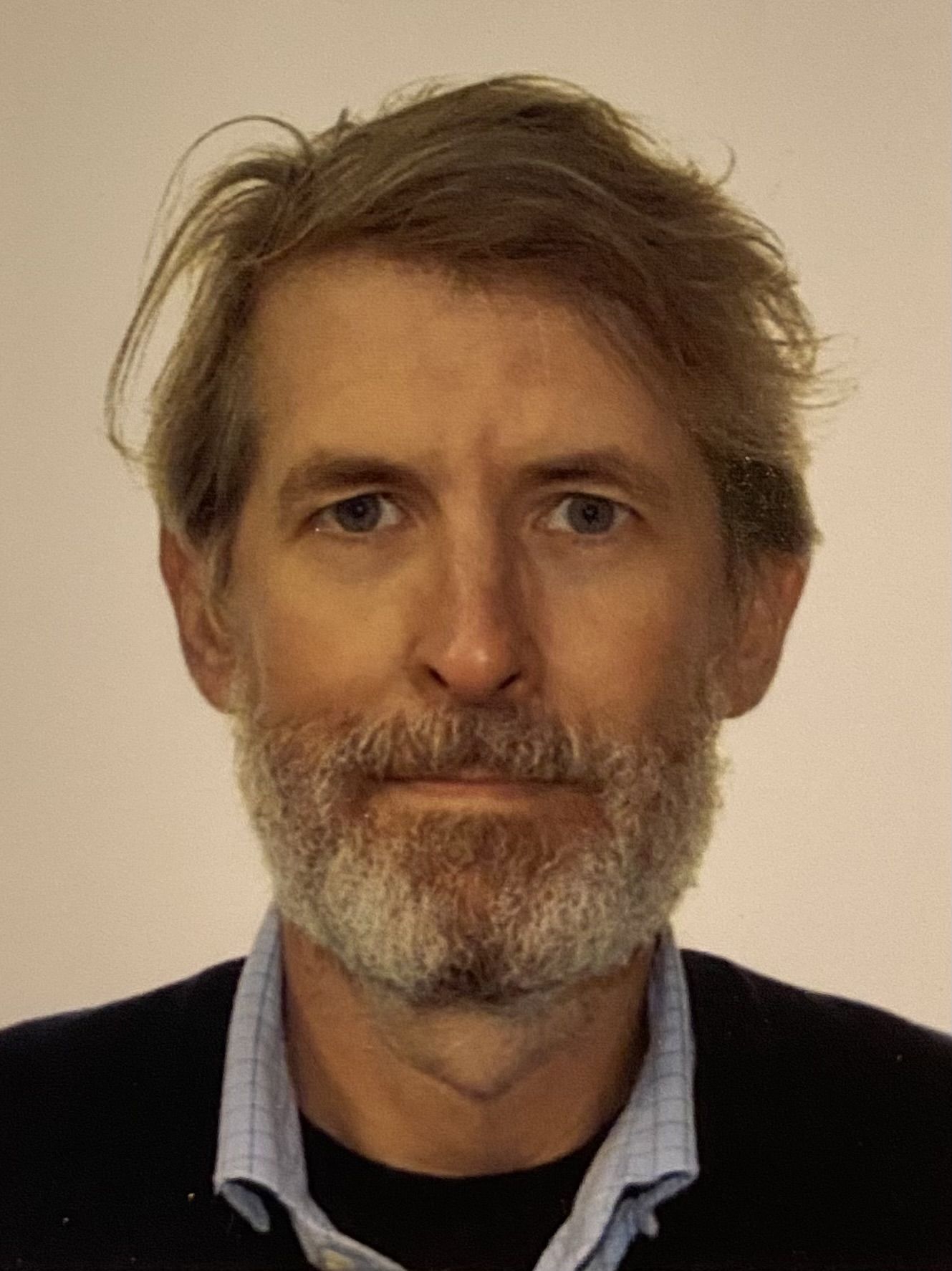
Tim Denison, PhD
Royal Academy of Engineering Chair in Emerging Technologies
Institute of Biomedical Engineering, University of Oxford · Oxford
-
-
-

-
.jpg)
-
-
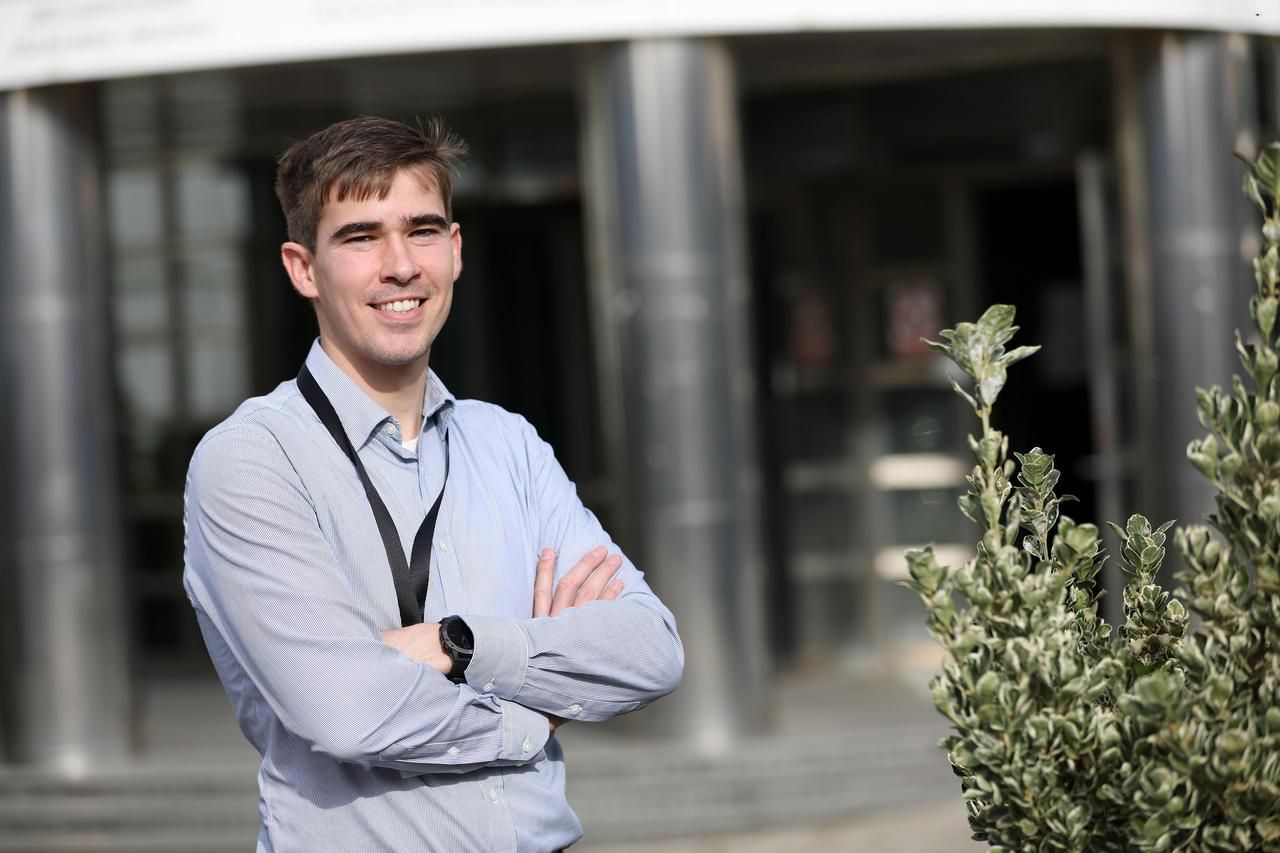
Andrew Kibler, PhD
Director, Clinical Technology and Advanced Concepts
BIOTRONIK · Lake Oswego, Oregon
-
-
-
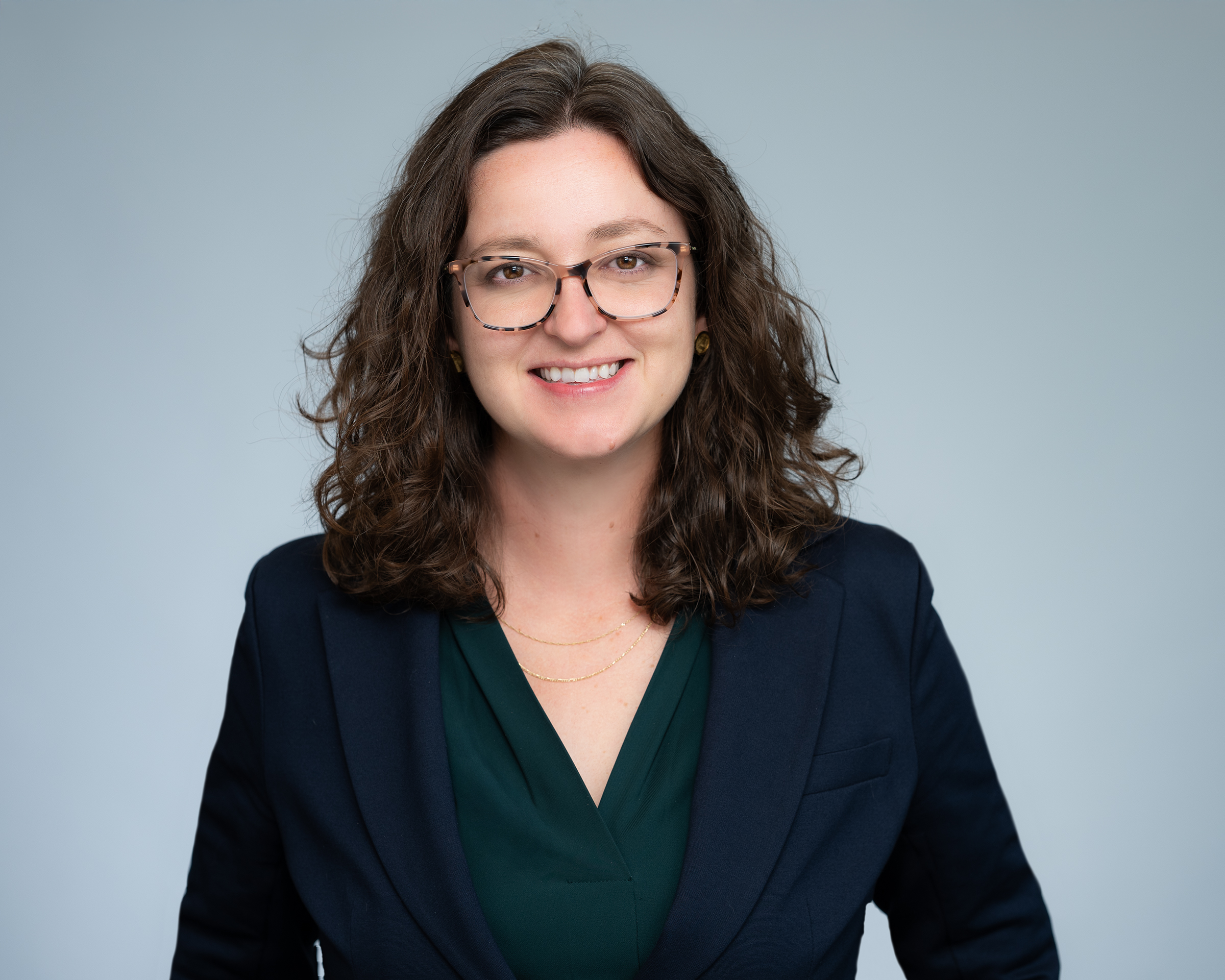
-

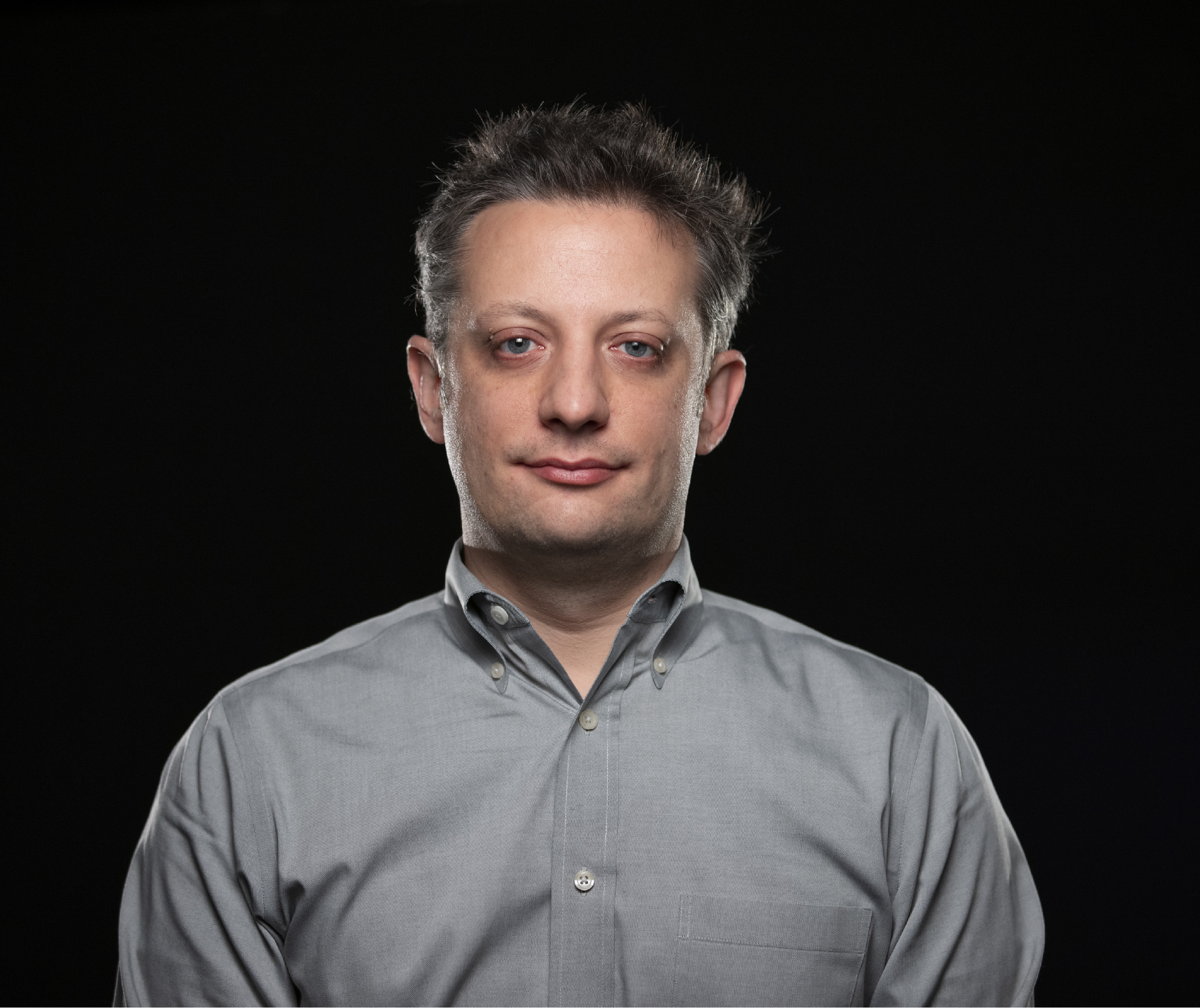
Brett Wingeier, PhD
Vice-President of Research and Development
NeuroPace · Mountain View, California
Presentations
-
Breakfast & Registration
-
Welcome & Opening Remarks
-
Innovations in Implantable Pulse Generator Design: Engineering Challenges and Solutions for Next-generation Neuromodulation
-
Advanced Electrode Design Principles for Enhanced Neural Interface Performance in SCS and DBS Applications
-
Optimizing Neural Activation Through Novel Stimulation Pulse Strategies: Biophysical Principles and Clinical Implications
-
Engineering Approaches to Neural Sensing and Biomarker Identification: Building Robust Closed-loop Neuromodulation Systems
-
Morning Break
-
Clinical Validation of Novel Neuromodulation Technologies: Methodological Considerations for Off-label and Randomized Controlled Trials
-
Artificial Intelligence in Neuromodulation: Engineering Principles for Clinically Meaningful Implementation
-
Faculty Panel Q&A
-
Lunch
-
Introduction- afternoon Session
-
Emerging Technology: Curonix
-
Emerging Technology: Abbott
-
Emerging Technology: Nevro
-
Emerging Technology: Biotronik
-
Emerging Technology: Saluda Medical
-
Afternoon Break
-
Emerging Technology: Boston Scientific
-
Emerging Technology: Medtronic
-
Emerging Technology: Neuropace
-
Moderated Panel Discussion
-
Closing Remarks