
- Spine
- Pain
- Neural Engineering
Closed-loop Spinal Cord Stimulation: Evoking Potentials, Hopes, and Challenges
Details
- Date
- Saturday, January 23, 2027
- Time
- 4:00 PM – 5:30 PM
- Room
- Milano Ballroom I & II
- Session type
- Concurrent Session
- Schedule
- See this day
About
Neuromodulation incorporating physiologic feedback from stimulated biologic targets to adjust output has been used for a while in cardiac pacemakers and deep brain stimulators but it is a relatively new development in spinal cord stimulation (SCS). Though early research has indicated the potential for more effective stimulation with closed-loop SCS while avoiding unwanted stimulation, questions abound about effectiveness and durability of closed-loop SCS. Further, as the algorithm for closed-loop SCS was developed with low-frequency tonic stimulation, it's potential use with higher frequency SCS modes remains unclear. This session will focus on enumerating the modalities for adaptive SCS, understanding the algorithms of closed-loop SCS including evoked compound action potentials, discussing the evidence for its efficacy, and exploring its role with higher frequency modes of SCS. The speakers in this session have clinical and research experience in evaluating new modes of SCS, explaining the applicability of closed loop SCS to the audience, identifying the lacunae in evidence, and proposing areas for further research.
Learning objectives
- Describe the principles of closed-loop spinal cord stimulation, including the role of evoked compound action potentials (ECAPs).
- Critically evaluate the current clinical evidence supporting closed-loop SCS for pain, including outcomes from randomized and prospective studies.
- Identify limitations of closed-loop spinal cord stimulation and to propose a patient-centered approach to applying it in combination with paresthesia-free waveforms for optimizing analgesic outcomes.
Faculty
-
-
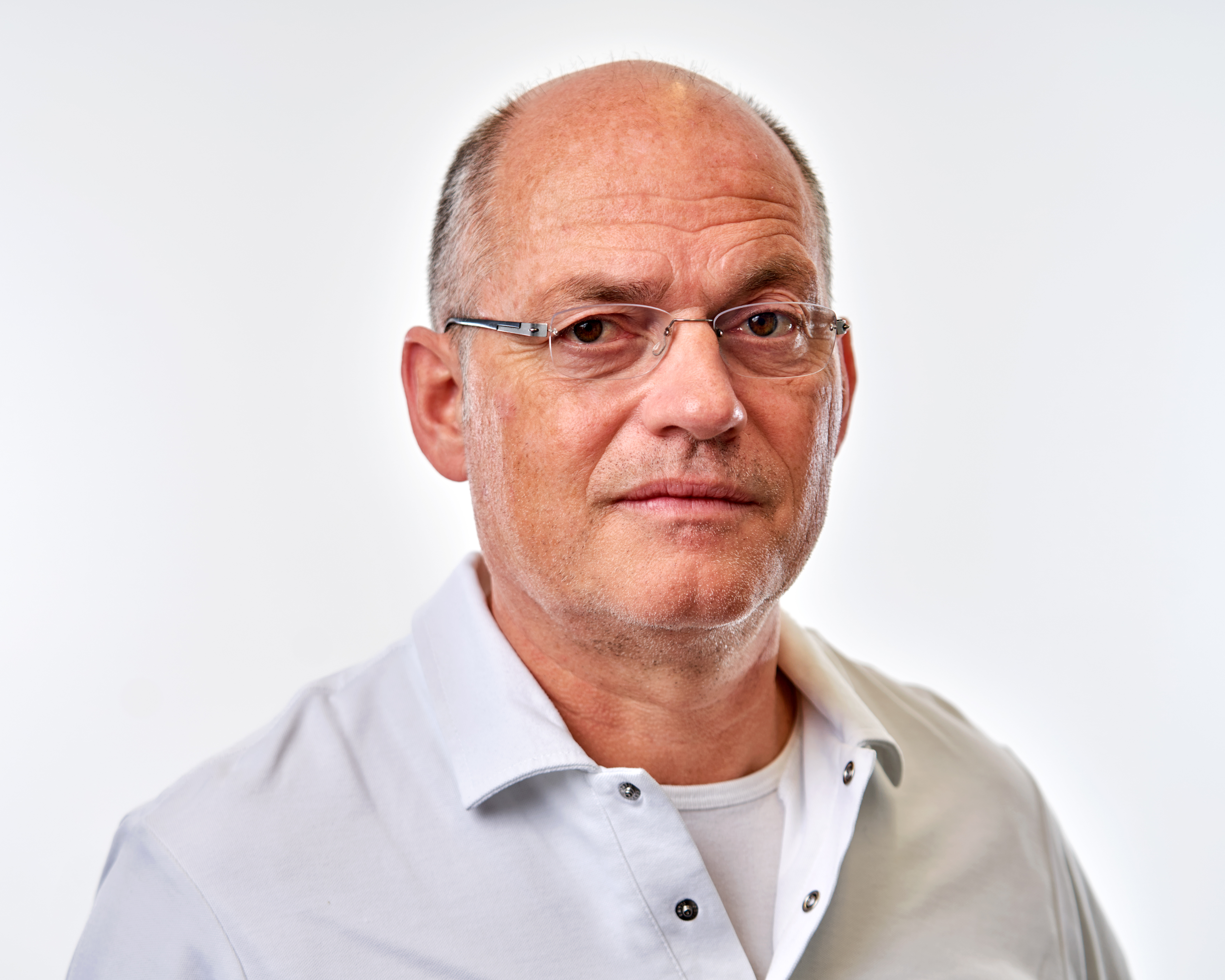
Sandy Christiansen, MD, MCR
Associate Professor
Oregon Health and Science University · Portland, Oregon
-
-
-
Presentations
-
Welcome
-
Highest Ranking Oral Abstracts
-
Exerting Control on SCS Output: Patient Programmers, Stimulation Adapted to Body Position, Evoked Potentials-based Output Regulation
-
Opening the Black Box: How Does Closed-loop SCS Work and How Can It Be Improved?
-
Synthesizing Evidence on Clinical Outcomes of Closed-loop SCS
-
Real-world Data: Experience from the First 100 SCS Implants with Closed-loop SCS
-
Limitations of Current Closed-loop SCS Systems and Comparison Against Non-tonic SCS Modes
-
Closing Discussion