
- Wearables
- Peripheral Nerve
Next-generation PNS: New Waveforms, Smarter Interfaces, and the Path Toward Personalized Peripheral Neuromodulation
Details
- Date
- Saturday, January 23, 2027
- Time
- 4:00 PM – 5:30 PM
- Room
- Milano Ballroom V & VI
- Session type
- Concurrent Session
- Schedule
- See this day
About
Peripheral nerve stimulation has re-entered the mainstream of pain management, but the technology itself is evolving faster than the frameworks clinicians use to deploy it. New waveform paradigms-high-frequency, burst, and prepolarizing pulse trains-are being explored for their ability to selectively recruit specific fiber populations and modulate pain transmission through distinct mechanisms of action. Electrode and lead design is advancing alongside them: smaller form factors, wireless architectures, and multi-contact arrays are changing where and how peripheral nerves can be targeted. At the same time, computational modeling, machine learning-driven parameter optimization, and early closed-loop concepts are beginning to offer a path from empirical programming toward personalized stimulation "dosing." This panel brings together functional neurosurgeons, clinician-scientists, and interventional pain physicians to examine what is genuinely new in PNS and what it means for clinical practice. The session opens with a mechanistic foundation: how different waveforms and electrode configurations interact with peripheral nerve fiber types, and why understanding mechanism of action matters for selecting stimulation strategies. From there, faculty address four interconnected domains of innovation. First, advances in lead design and miniaturization-including wireless and injectable systems-and how they expand the anatomic targets accessible to PNS. Second, emerging waveform strategies and what preclinical and early clinical data reveal about fiber selectivity and therapeutic windows. Third, computational and AI-driven approaches to parameter optimization, including surrogate fiber models that can explore the stimulation parameter space more efficiently than trial-and-error programming. Fourth, the translational reality check: what closed-loop PNS could plausibly look like in the near term, what safety and validation checkpoints must be cleared, and what would count as clinically meaningful improvement versus incremental novelty. Each segment pairs engineering science with clinical translation, ensuring the discussion stays grounded in what matters to the practitioner and the patient. Moderated Q&A will close the session.
Learning objectives
- Learners will be able to describe how machine learning and computational fiber models are being applied to optimize peripheral nerve stimulation parameters.
- Learners will be able to compare emerging PNS waveform strategies and lead technologies with respect to their mechanisms of action and fiber-selectivity profiles.
- Learners will be able to identify translational checkpoints—including safety validation, regulatory pathways, and clinical meaningfulness—required before next-generation PNS technologies reach routine practice.
Faculty
-

Jennifer M. Hah, MD
Primary Chair
Associate Professor
Stanford University Hospital · Palo Alto, California
-
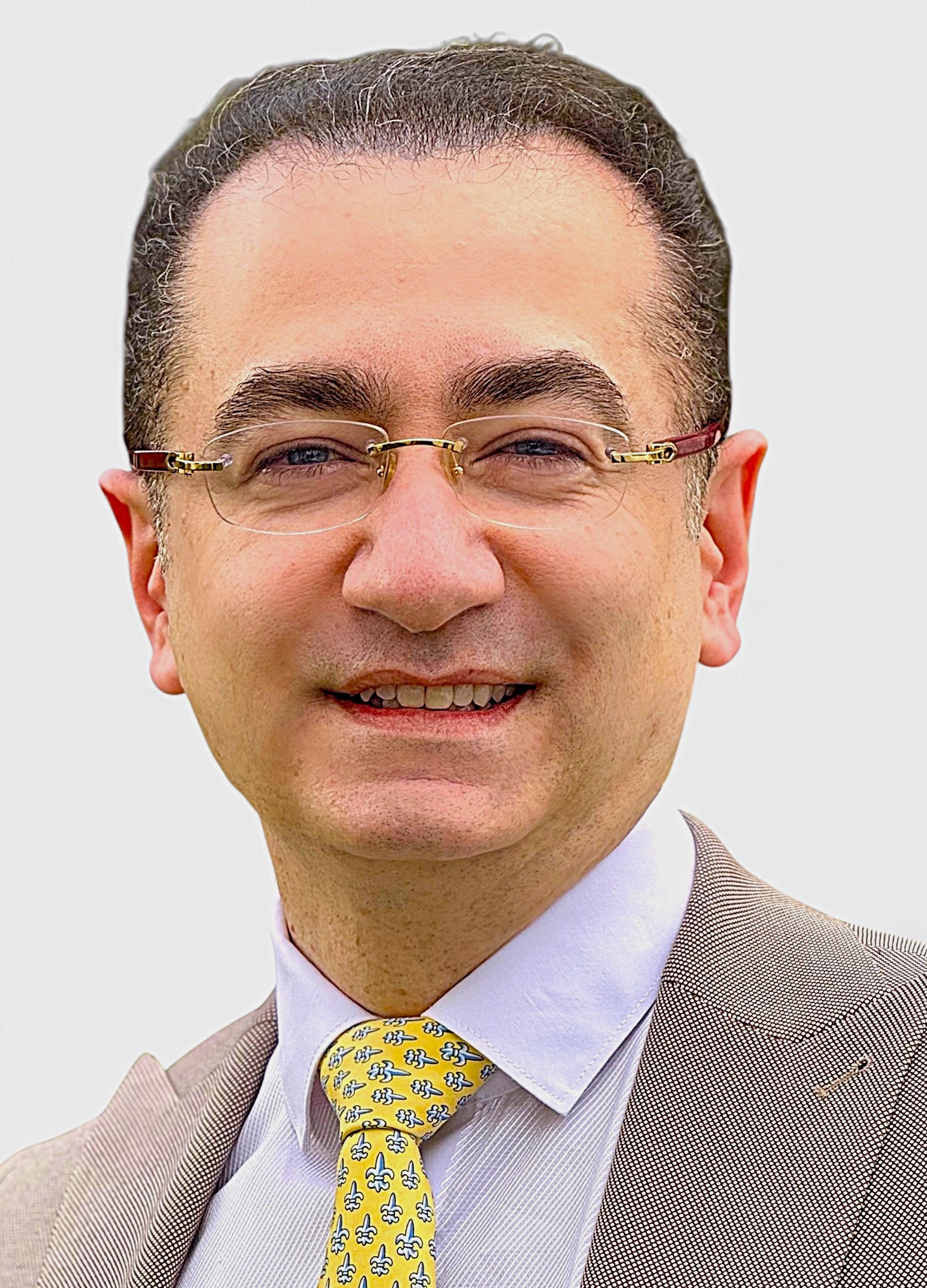
Yashar Eshraghi, MD
Co-Chair
Professor and Fellowship Program Director
UT Southwestern Medical Center · Texas
-

Timothy R. Deer, MD
Oral Abstract Presenter
Medical Director, Interventional Pain Medicine
Chronic Pain Management
The Spine and Nerve Center of the Virginias · Charleston, West Virginia
-

Peter L. Greechan
Oral Abstract Presenter
Graduate Student
Biomedical Engineering
University of Toronto · toronto, Ontario
-

Eellan Sivanesan, MD
Speaker
Associate Professor and Director of Neuromodulation
Anesthesiology and Critical Care Medicine
Johns Hopkins University - School of Medicine
-

Scott Pritzlaff, MD
Speaker
Professor
Anesthesiology and Pan Medicine
University of California Davis · Davis, California
-

Presentations
-
Welcome
-
First-in-Human Simultaneous All-Electrode Recording of Biosignals from Percutaneous PNS Leads in Chronic Pain Patients
-
Enhancing Electrical Stimulation of Myelinated Nerve Fibers Using a Multi-Contact Co-stimulation Approach
-
Hardware Evolution — Miniaturization, Wireless Architectures, and Expanding the Anatomic Map
-
Waveform Frontiers — High-frequency, Prepolarization, and Fiber-selective Strategies
-
Smarter Dosing — Computational Models, Ai-driven Optimization, and Personalized Parameters
-
Toward Closed-loop PNS and the Translational Reality Check
-
Closing: Cross-disciplinary Synthesis and Moderated Q&A