
- Wearables
- Ethics
- Pain
Plenary II: Neuromodulation 2035: Precision, Prediction, and Personalization
Details
- Date
- Friday, January 22, 2027
- Time
- 1:30 PM – 3:30 PM
- Room
- Octavius Ballroom 4
- Session type
- Plenary
- Schedule
- See this day
About
By 2035, neuromodulation is expected to evolve from static, anatomy-based stimulation toward AI-driven closed-loop systems, hybrid multisite targeting, and network-guided personalization. This session will examine how advances in computational modeling, digital biomarkers, and multimodal stimulation strategies may redefine patient selection, programming, durability of response, and value-based care in chronic pain management.
Learning objectives
- Describe the principles and clinical evidence supporting closed-loop and AI-assisted neuromodulation.
- Evaluate the mechanistic rationale and emerging data for hybrid dorsal column, DRG, PNS, VNS, or DBS approaches.
- Discuss how network-based phenotyping and data integration may improve patient selection, durability, and value in neuromodulation by 2035.
Faculty
-

-

Magdalena Anitescu, MD, PhD
University of Chicago Medical Center · Chicago, Illinois
-

Robert M. Levy, MD, PhD
Editor in Chief, Neuromomodulation
International Neuromodulation Society · Florida
-

-
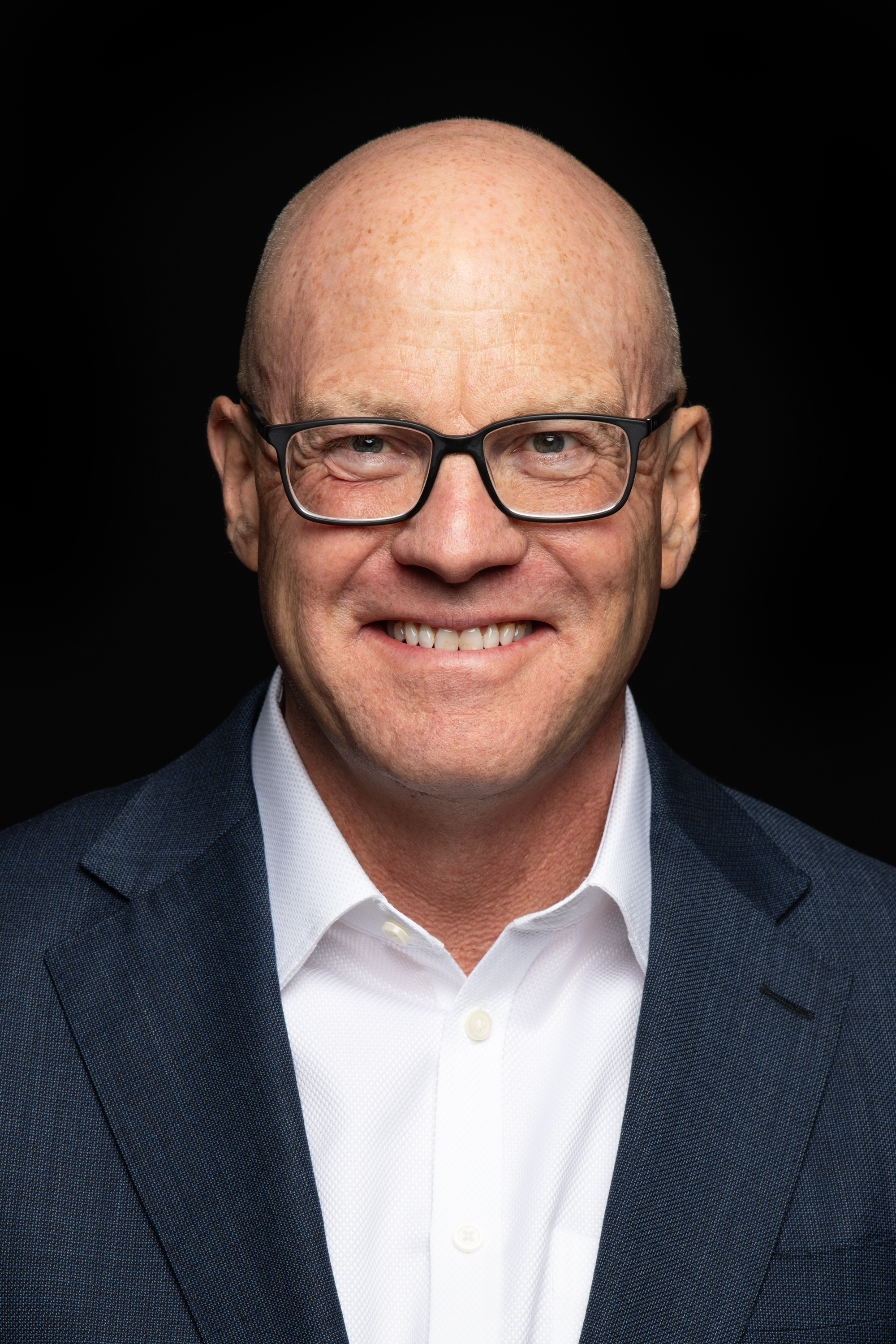
Sean Mackey, MD, PhD
Chief, Division of Pain Medicine
Stanford University School of Medicine · California
Presentations
-
Welcome
-
From Cruise Control to Self-Driving Adaptive System: Intelligent Closed-Loop Neuromodulation
-
Hybrid and Multi-Site Neuromodulation: Synergy, Strategy, Future Directions
-
Network-Guided Personalization & Data Integration: Pain Connectomics
-
Restorative Neuromodulation & Neuro-Prosthetics
-
Ethical, Regulatory & Socioeconomic Challenges of Intelligent Neuromodulation
-
Closing Discussion with Speakers
-
Introduction of Distinguished Service Award Recipient
-
Distinguished Service Award Presentation