
- Spine
- Neural Engineering
Restorative Neuromodulation: Engineering the Future of Motor Recovery
Details
- Date
- Saturday, January 23, 2027
- Time
- 10:30 AM – 12:00 PM
- Room
- Milano Ballroom V & VI
- Session type
- Concurrent Session
- Schedule
- See this day
About
Neuromodulation is rapidly evolving from symptomatic treatment toward restorative neuroengineering approaches capable of re-engaging dormant neural circuits and restoring motor function. Emerging technologies including spinal stimulation platforms, brain spine interfaces, adaptive closed-loop systems, and neuroprosthetics are redefining the role of neuromodulation across multiple neurological conditions, including spinal cord injury, stroke, peripheral nerve injury, and movement disorders. This session will explore cutting-edge translational innovations that integrate neuroscience, engineering, and clinical neuromodulation to restore motor function.
Learning objectives
- Describe emerging restorative neuromodulation platforms designed to recover motor function rather than simply suppress symptoms.
- Understand the role of closed-loop stimulation and brain–spine interfaces in enabling functional motor recovery.
- Evaluate the translational potential of neuromodulation technologies across conditions including spinal cord injury, stroke, paraspinal dysfunction, and peripheral nerve injury.
Faculty
-
-
-
-
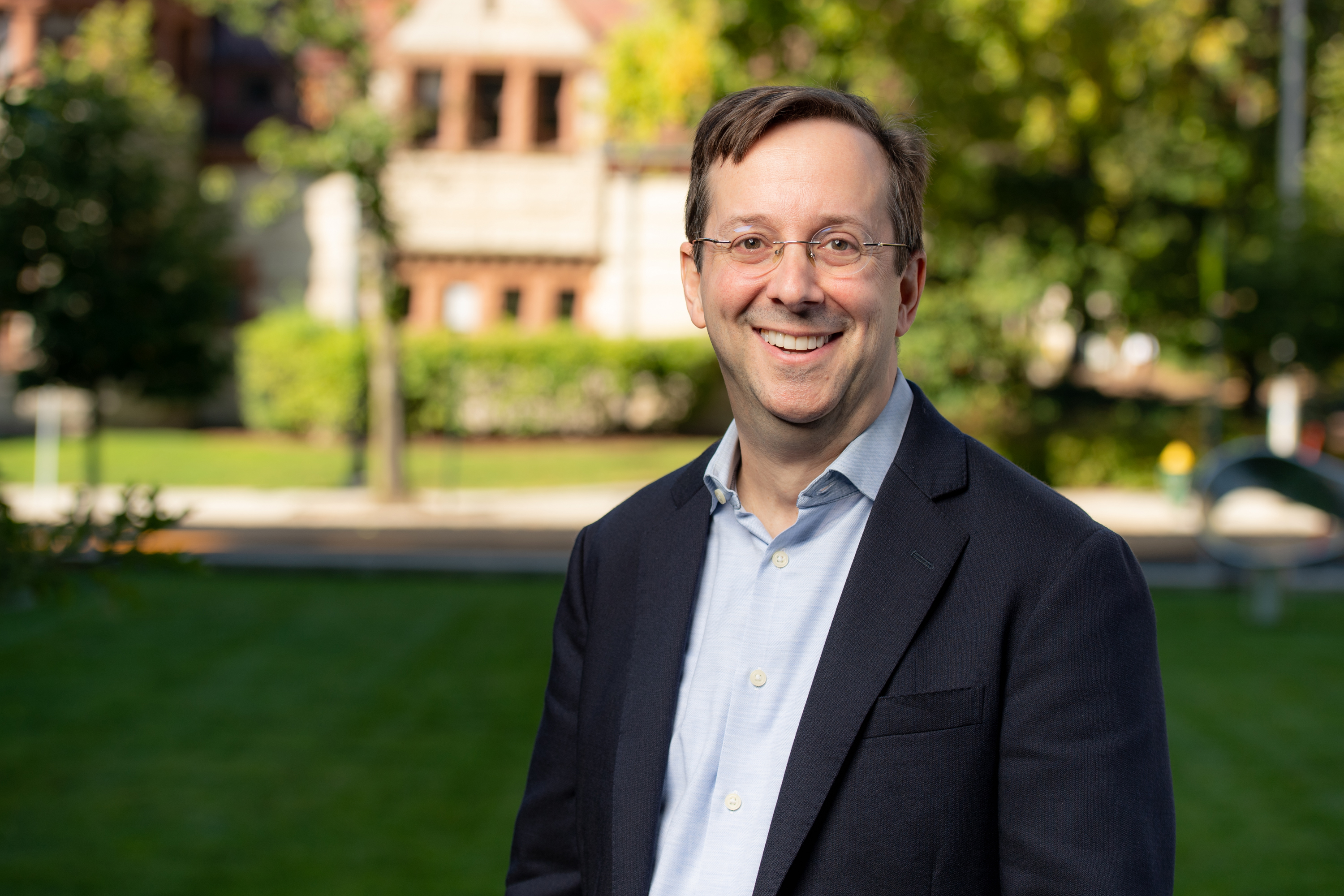
Leigh R. Hochberg, MD, PhD
L. Herbert Ballou University Professor of Engineering, Brown U.; Director, Center for Neurotechnology and Neurorecovery, Mass General; Assoc. Director, Center for Neurorestoration and Neurotechnology, VA Providence
Massachusetts General Hosp, Brown University, VA Providence, Harvard Med School · Boston, Massachusetts
-
-
Presentations
-
Welcome
-
Highest Ranking Oral Abstracts
-
Brain–spine Interfaces and Spinal Neuromodulation for Motor Restoration
-
Closed-loop Neuromodulation and Adaptive Control of Motor Circuits
-
Peripheral and Paraspinal Neuromodulation for Functional Motor Restoration
-
From DBS to Network Neuromodulation: Model-Based Analysis of DBS for Movement Disorders
-
Closing Discussion